poetry in action features work by poets from around the world, translated into English.
NOW MORE THAN EVER:
Poets of the world, unite and take over!
Resist the oppressive constraints of good, publishable poetry established by mainstream literary venues!
Only poetry in translation, all the time!
Coming at you around the 20th of each month.
poetry in action #48 celebrating Women in Translation Month!
3 poems from Theory of the Girls by María Baranda
translated from Spanish by Paul Hoover
forthcoming from Kinship Poetry Press
///
Mi padre no es un filósofo.
Su propósito es un tiempo seco, su ojo
es sangre, sangre
en la semejanza de todos.
Mi padre no es un filósofo.
Mira una piedra y la rodea de fuego.
La quema.
La hace arder desde adentro.
Asocia, relincha, da un giro y se hunde en un grito
que ofende. Ofende a las gallinas.
Pecorea los granos de miseria
que los otros arrojan a su paso.
Son fragmentos de asombro,
el grito del mecate que lo enreda.
Como una bestia muge y se ayunta en el poema.
My father is not a philosopher.
His purpose is a dry time, his eye
is blood, blood
in the likeness of everything.
My father is not a philosopher.
He looks at a stone and surrounds it with fire.
Burns it.
Make it burn from within.
He associates, neighs, turns and sinks into a scream
that offends. It offends the chickens.
Forages the grains of misery
which the others throw in their path.
They are fragments of amazements.
The cry of the rope that entangles him.
Like a beast, it lies in the poem and moos.
///
Hay aves que retozan solas en las líneas.
No necesitan idiomas que capitulen sus ecos.
Mi padre las pinta, las somete a una misma superficie
que a todos nos contiene. Succiona.
Piensa en vávulas heterogéneas. Y suda.
Suda por las curvas de su vientre.
Una garrapata penetra por su axila.
Mi padre sabe ahora que alguien lo habita en la espesura
There are birds that frolic alone in their lines.
They do not need language to surrender their echoes.
My father paints them. He subjects them to the same surface
that contains us all. Sucks.
Thinks of heterogenous valves. And he sweats.
Sweats through the curves of his belly.
A tick penetrates through his armpit.
My father now knows that someone inhabits him in the thickets.
///
Canta le fe en la punta de las raíces.
Limpia los zapatos de las niñas
con un pez líquido y sesos de gallo térreo.
Les dice: canten por mí capullamente y rueden,
ruedan menudas y anchas
como huevo de cuervo y oscilen mías de mí
pequeñas que se amarillean y profanan
verdes en la tensión de la aventura.
Por un instante las niñas son felices.
He sings the faith at the tip of the roots.
Cleans the girls’ shoes with a liquid fish
and the brains of the earthen rooster.
He tells them, sing for my budding and roll.
They roll small and wide
like a crow’s egg and swing mine from me,
small that yellow and desecrate
green in the tension of the adventure.
For an instant the girls are happy.
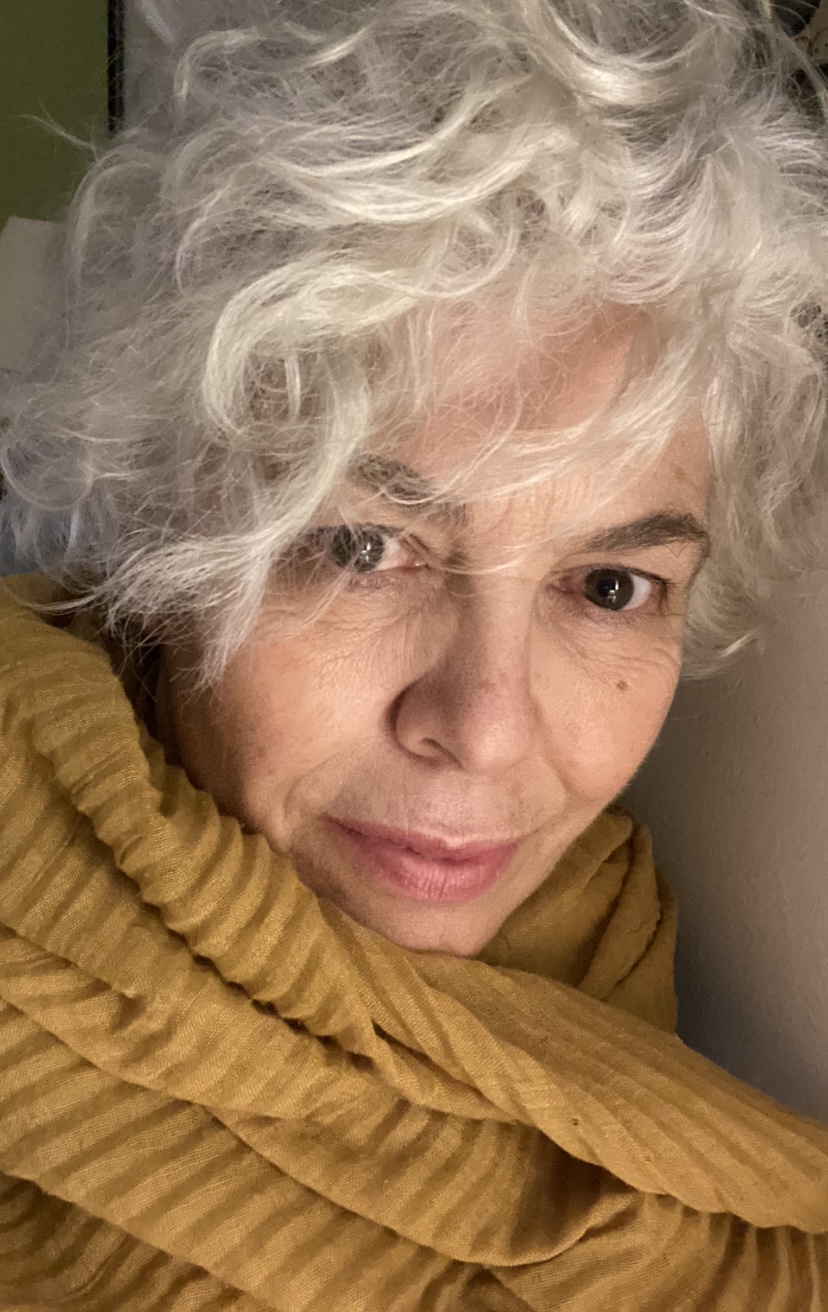
María Baranda is a Mexican poet. Her Selected Poems, The New World Written, was published by Yale University Press in 2021. She translated The Complete Poems of San Juan de la Cruz, (Milkweed Editions, 2021) with Paul Hoover.
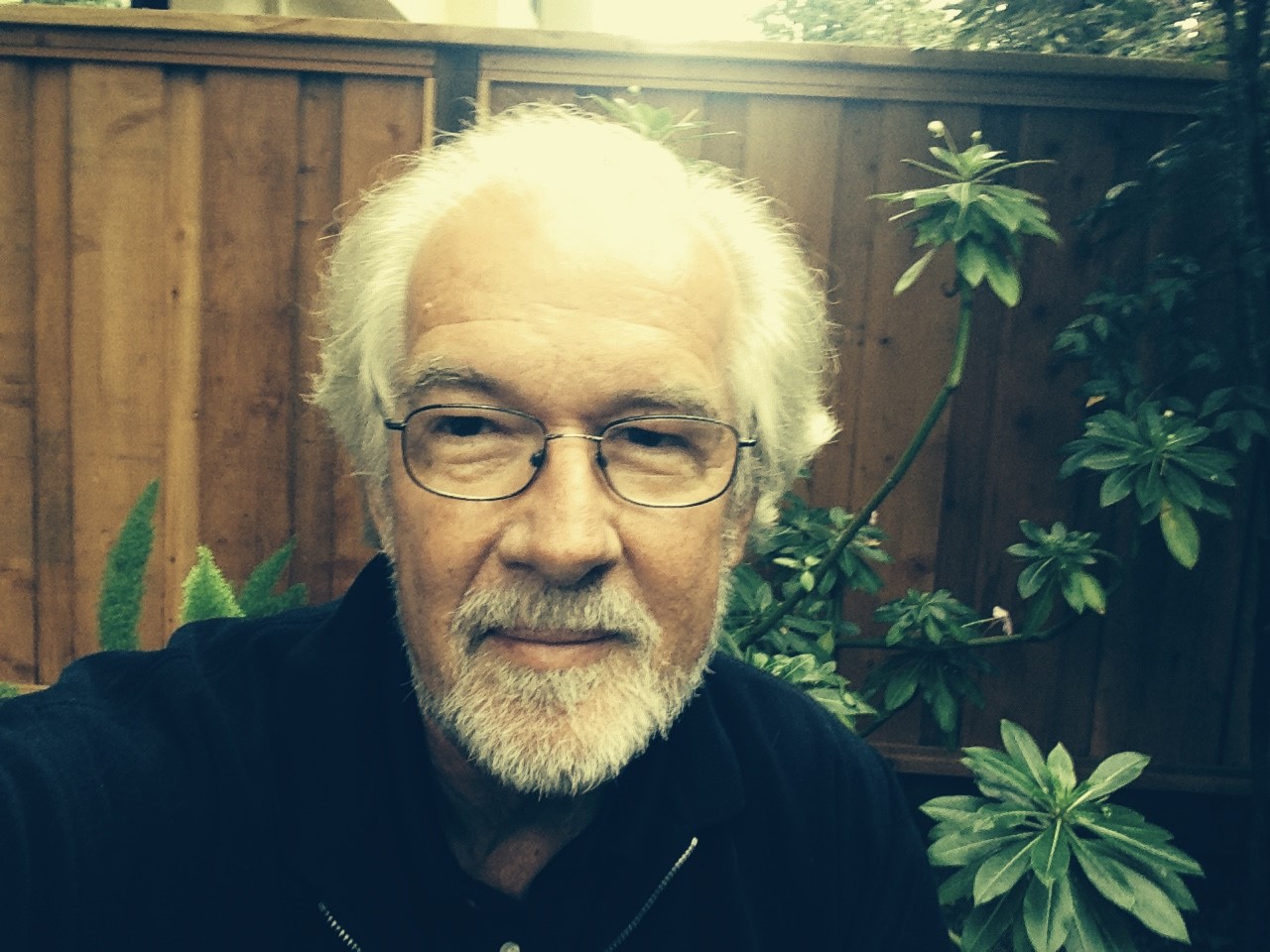
Paul Hoover has published 16 poetry books, most recently O, and Green: New and Selected Poems (MadHat Press, 2021). Editor of Postmodern American Poetry: A Norton Anthology: and the literary annual, New American Writing. He has translated the poetry of Friedrich Hölderlin (with Maxine Chernoff), and San Juan de la Cruz (with Maria Baranda).