poetry in action features work by poets from around the world, translated into English.
NOW MORE THAN EVER:
Poets of the world, unite and take over!
Resist the oppressive constraints of good, publishable poetry established by mainstream literary venues!
Only poetry in translation, all the time!
Coming at you around the 20th of each month.
three sonnets by Rubén Darío
translated from Spanish by Carlos F. Grigsby
Translator’s Note
Rubén Darío (1867-1916) was a contemporary of (and lived in the same city as) Rilke, Verlaine, Wilde, and Mallarmé. As Pedro Henríquez Ureña famously wrote, of every poem in Spanish it can be said with certainty whether it was written before or after him. He is, however, globally considerably less known than his European colleagues. Part of this has to do with how difficult, and how poorly, he has been translated. Another part has to do with the fact that his writing was heavily invested in a dialogue with poetry of the late nineteenth century. This is poetry written for the ear, not the eyes. Its irony is mixed with sentimentalism, not opposed to it. These aspects make it extremely challenging to translate, not to mention how closely intertwined sense and sound are in Darío’s rhymes. For that reason, in my renderings I’ve prioritised the sound of the poems while working within the mesh of motifs and symbols present in these poems. In practice this means sometimes translating an image or a motif, not the words themselves. I try to reimagine the prosody of the poem, not sticking literally to the original metre or rhyme scheme, but rather trying to re-create something similarly ‘musical’ in English.
///
Cherish your rhythm…
Cherish your rhythm and rhythm
your actions along, as your verses;
you are a universe of universes
and your soul a many-colored prism.
Inside you there are scintillations
surrounding buried planets within;
make your hidden numbers ring
and pythagorize your constellations.
Open your ears and listen
to the rhetoric of the bird of the air.
See night’s geometry glisten;
slay apathy’s quiet heir
and in joining pearl with pearl fair,
truth, like a sun, will have risen.
Ama tu ritmo
Ama tu ritmo y ritma tus acciones
bajo su ley, así como tus versos;
eres un universo de universos
y tu alma una fuente de canciones.
La celeste unidad que presupones
hará brotar en ti mundos diversos,
y al resonar tus números dispersos
pitagoriza en tus constelaciones.
Escucha la retórica divina
del pájaro del aire y la nocturna
irradiación geométrica adivina;
mata la indiferencia taciturna
y engarza perla y perla cristalina
en donde la verdad vuelca su urna.
///
Seashell
Along the beach I found a golden shell,
rugged and with the finest pearls wrought;
Europa grazed it in the ocean swell
astride the god-bull who found what he sought.
To my lips I raised the sonorous shell
and the echo of the war drums of the sea I heard.
I held it to my ears and had the waters tell
in a whisper the secrets they preserved.
And I tasted the brined and bitter wind
that blew the sails of Argos and rocked its rind
when the stars sighed at Jason’s art;
and I heard waves and an anonymous echo
and the whistling wind and the tide’s bellow…
(The seashell had the shape of a heart).
Caracol
En la playa he encontrado un caracol de oro
macizo y recamado de las perlas más finas;
Europa le ha tocado con sus manos divinas
cuando cruzó las ondas sobre el celeste toro.
He llevado a mis labios el caracol sonoro
y he suscitado el eco de las dianas marinas,
le acerqué a mis oídos y las azules minas
me han contado en voz baja su secreto tesoro.
Así la sal me llega de los vientos amargos
que en sus hinchadas velas sintió la nave Argos
cuando amaron los astros el sueño de Jasón;
y oigo un rumor de olas y un incógnito acento
y un profundo oleaje y un misterioso viento…
(El caracol la forma tiene de un corazón).\
///
No Greater Ordeal
The tree has a blessing: it is barely sensitive.
The stone’s is greater: it cannot even feel.
There is no greater pain than to live—
than a waking life, no greater ordeal.
To be, to know nothing, to teeteringly tread
dogged by a lived past, and this future terror…
the guaranteed horror that tomorrow I’ll be dead
and to suffer for life and for darkness and for
what we do not know and can barely imagine
and the fruits of the flesh that coax us
while the grave lies wreathed in the ground—
and not to know how we came thus
nor where it is we’re bound…!
Lo fatal
Dichoso el árbol que es apenas sensitivo,
y más la piedra dura, porque ésa ya no siente,
pues no hay dolor más grande que el dolor de ser vivo,
ni mayor pesadumbre que la vida consciente.
Ser, y no saber nada, y ser sin rumbo cierto,
y el temor de haber sido y un futuro terror…
Y el espanto seguro de estar mañana muerto,
y sufrir por la vida y por la sombra y por
lo que no conocemos y apenas sospechamos,
y la carne que tienta con sus frescos racimos,
y la tumba que aguarda con sus fúnebres ramos,
y no saber adónde vamos,
¡ni de dónde venimos!..
 Rubén Darío (1867-1916) is a Nicaraguan-born poet and one of main figures of modernismo. His best-known works are Prosas profanas (1896) and Cantos de vida y esperanza (1905). Despite being one of the most important Latin American poets in history, his work remains little known in the Anglophone world.
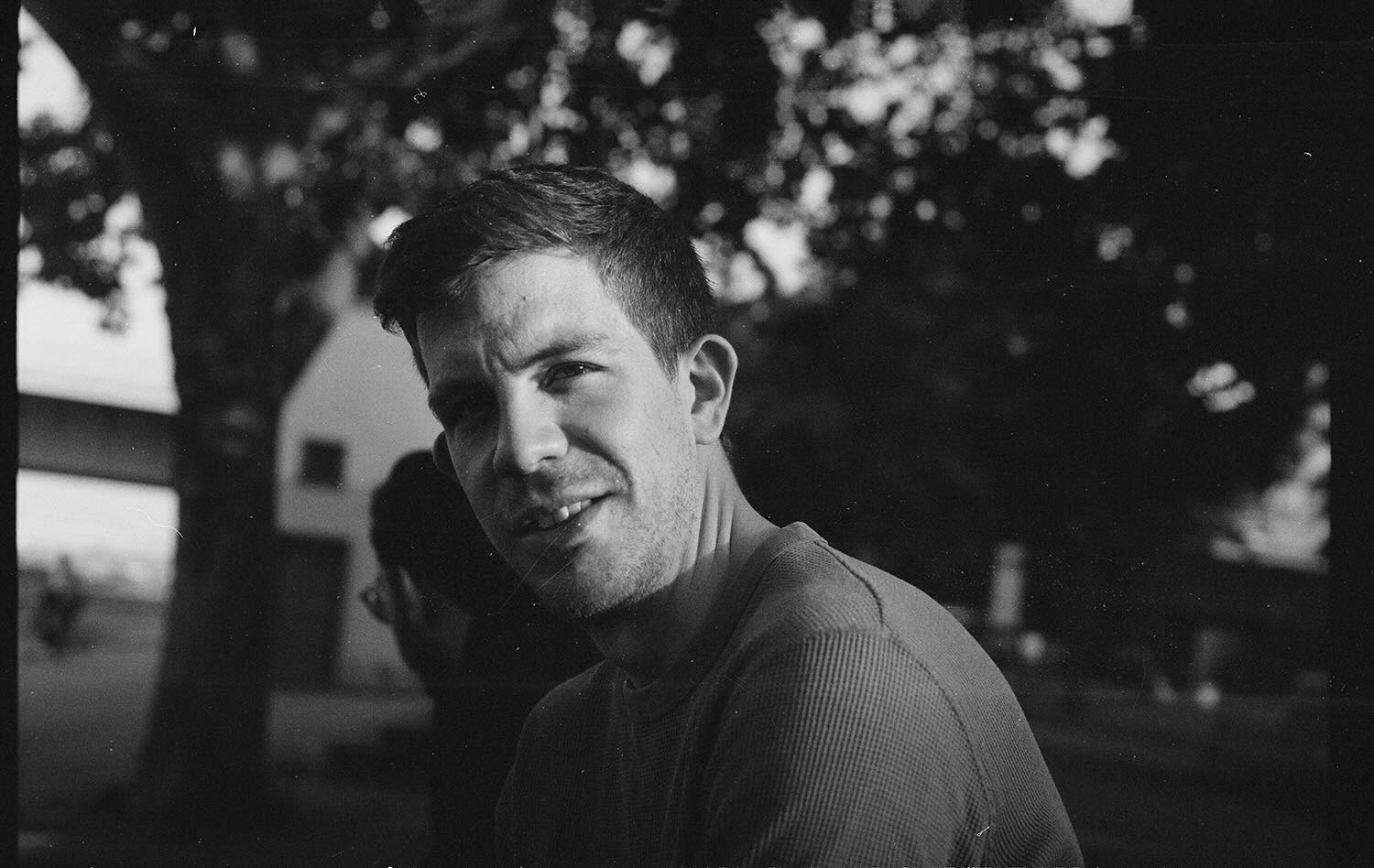
Carlos F. Grigsby (1988) is a Nicaraguan-born poet, scholar and translator. His latest book of poetry is Rilke y los perros (Visor, 2022). He is currently a lecturer in Latin American Studies at the University of Bristol, UK. Instagram: @carlosfgrigsby