My name is Olivia Cronk, and I am a poet and teacher in Chicago.
I think that the first Action book I ever bought might have been Johannes Göransson’s 2005 translation of Aase Berg’s [now out-of-print] Remainland.
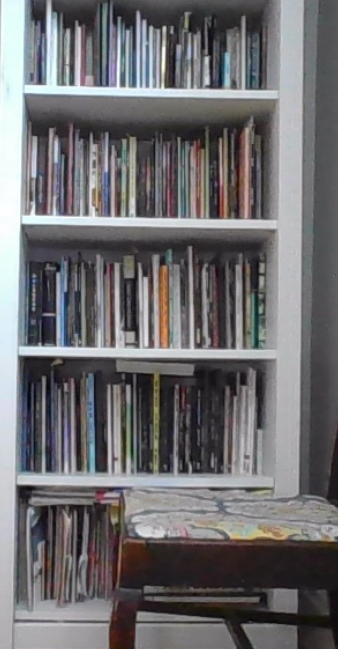
I am not positive: I might have bought it while visiting friends (poets) in Portland, Oregon or maybe while at the wedding of another friend (poet) in Iowa City. I imagine this to have happened around 2006. Several worlds back. The thinking of these things, getting into the sea of reading and memory, causes strange frictions: a friend with me at the shelf, as I spotted it and reached for it, saying that she thought that Berg’s first name was pronounced “Osa” and anyway we’d have to google it later and some brain-image of this brown-black book in my little travel bag (the pleasure of the promise of the future life of oneself and the object in one’s possession), and how I had (unrelated to this moment, but exact same palette) a giant, canvas brown and black bag that I’d used as a purse when I was even younger, and then Berg’s shocking guinea pigs and how the poems made me feel like I felt the first time I ever heard Tori Amos, aged 13: winter-bad-good and crisp and freed up for comedy by a kind of girl rage charge, i.e. “[t]he babymeat mushroom’s sweetsour paleness” and how it “burns border.”
But as I type this, no: I know, for certain, that the first Action book I ever owned was Lara Glenum’s The Hounds of No, and it is no exaggeration for me to say that this book changed the course of my life.
I loved the whole experience of it–all new and luxurious in every move it made–and I think that I devoured it in one sitting on our enclosed back porch, and who knows what season it really was but in trying to locate my first impressions I think of our fresh yellow paint and the coldest springtime and how I was sewing these “worm ladies,” which in retrospect were just early 2000s twee objects, but at the time I was really getting something out of my thinking and reading and sewing work, getting somewhere: I was trying to form my own poetics and I arrived at Glenum’s shocking manifesto at the very end, and everything that happened with my brain and those pages re-postured me: she had so much of the best gall and I wanted it, too. I actually used a quote from that book in the program for a play I wrote and in which I asked performers to wear “antlers” (branches spray-painted silver and glued to headbands), and I dedicated that play to my brother, and somewhat inexplicably the Glenum book reminds me of the way that my brother and I torqued childhood.
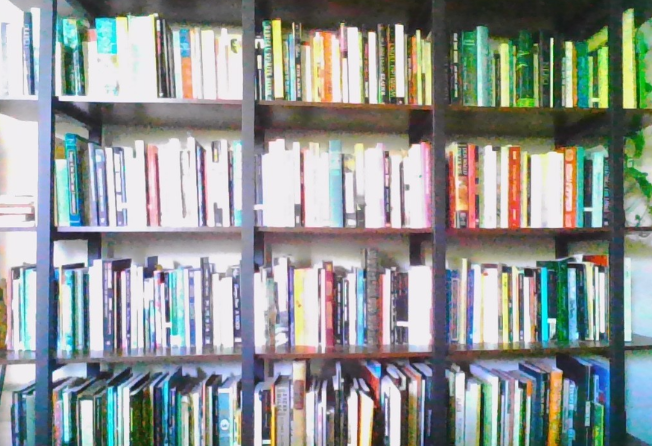
But I meant to start all this with Abraham Smith’s 2014 Only Jesus Could Icefish in Summer.
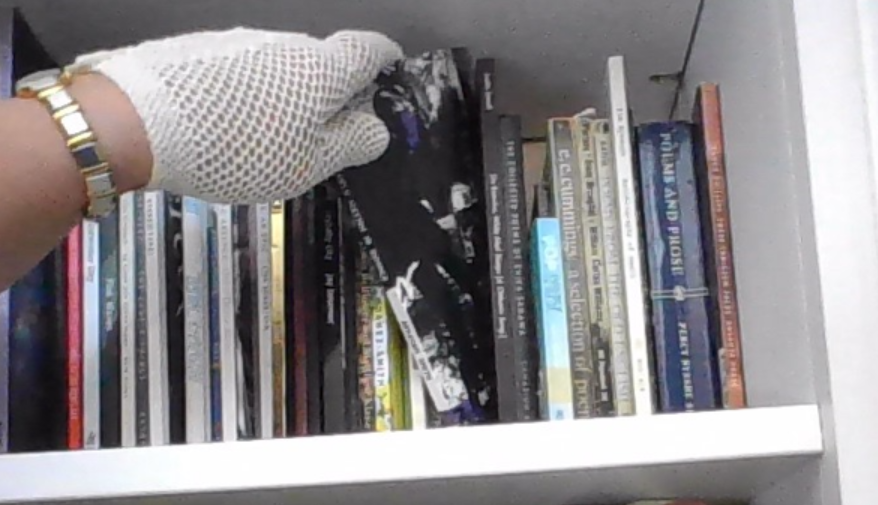
which gave me information about spending time thinking or it gave me information about shootin’ the shit (“twiddle boys just ain’t an option”), the “work to listen to plastic wounds” in a tarp/its holes flapping in the wind, or it gave me information about something that seemed conjoined to singing to oneself inside of a loud noise, a perma-sensation inside of me, and the book knew all about it:
junk is anything can’t carry its own
pigeons fucking in fresh plant field
i am running
in secret cities we don’t hear
we move i am saying
it’s better to die yelling
in a field the cheapo butter dandelions
did this to me
i love the wind
would not bet on it the bit in it
belongs to dogs named for horses
hay burn my dogs proposing
fast dug graves
shovelfuls
whisking in
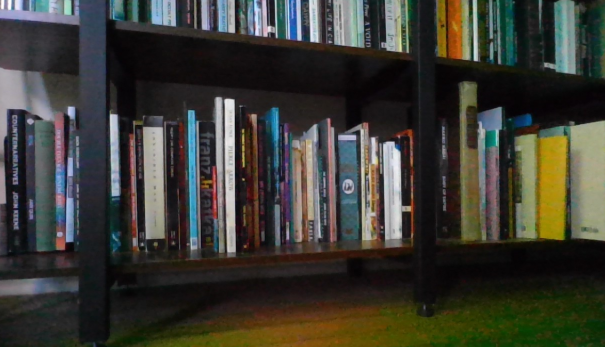
One year, over winter break, when stocking my own shelves with other titles from the Action catalog, I ordered Anselm Hollo’s translation of Pentti Saarikoski’s The Edge of Europe, which may be one of the press’s very first titles, but I first read it around 2015, and I loved, loved, loved its ne’er do well, miscreant wanderer thing: it’s kind Sebald and Bukowoski, and it’s centered on a body and an eye roaming over a brittle landscape, and thus: it’s delightful.
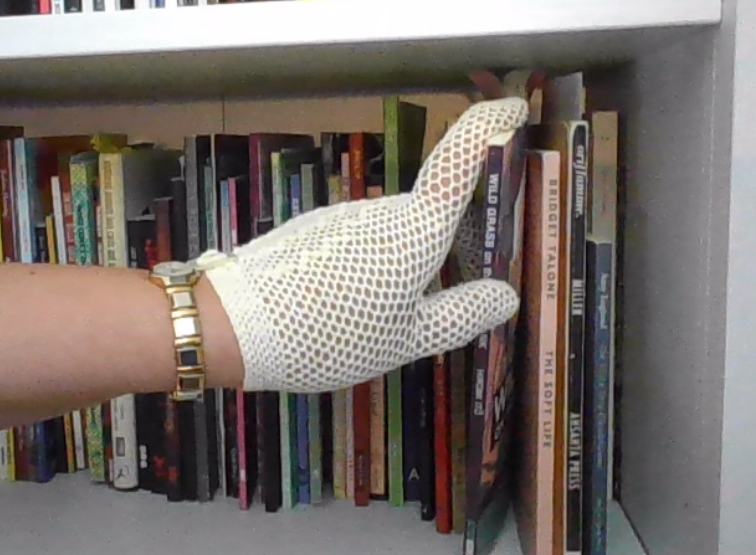
& I can’t not mention Jeffrey Angles’ translation of Hiromi Itō’s Wild Grass on the Riverbank, which made me understand positionality and narrative. When I taught it to one of my first back-in-person classes (around Fall of 2021), the students went wild for it: they felt such kinship with the kids in it, they felt that it was both tender and apocalyptic, they felt like they could finally breathe inside of poetry.
Olivia Cronk is the author of WOMONSTER (Tarpaulin Sky Press, 2020), LOUISE AND LOUISE AND LOUISE (The Lettered Streets Press, 2016) and SKIN HORSE (Action Books, 2012). With Philip Sorenson, she edits The Journal Petra.